This class turned out to be the complete opposite of what I expected. When I think of Digital Studies, I imagine coding, computers, even digital art – but this class took a very different approach. We talked about play. And what does play have to do with any of that? Well, actually, everything. Play isn’t just about being a kid and running around outside with a ball. Critical play, in particular, is a powerful tool for questioning systems, reimagining how we use technology, and making room for creativity, resistance, and reflection. It uses fun and experimentation to challenge the status quo – and helps us see the wold in a new way.
Grounded in Motion
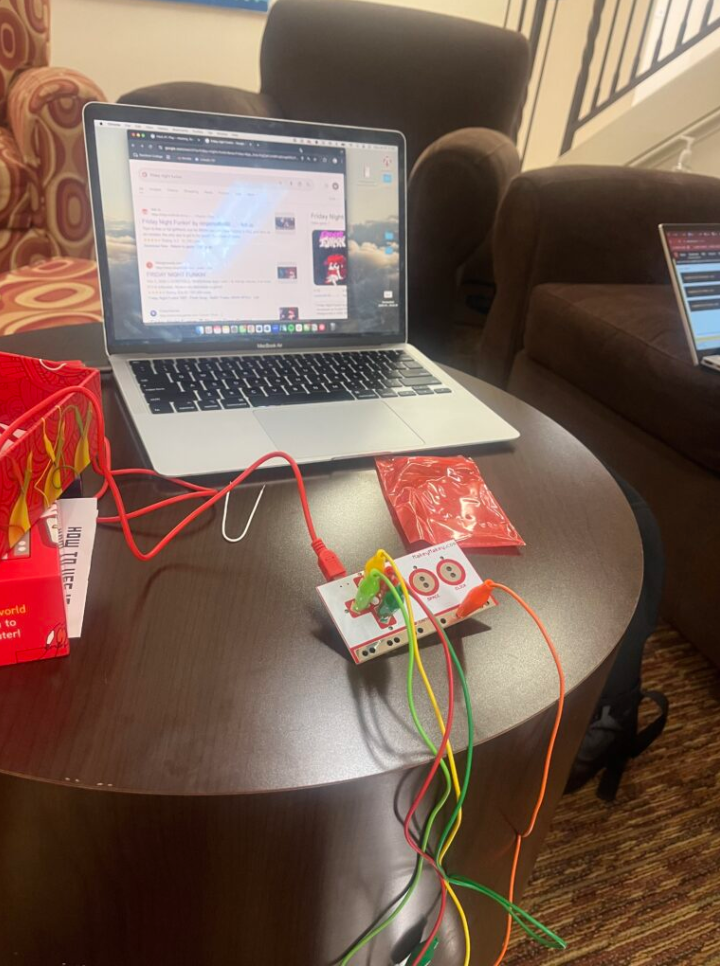
This project transforms the classic game Dance Dance Revolution into an interactive experiment combining movement and circuitry. Using a Makey Makey and aluminum foil, a custom dance pad was built by connecting foil-covered shoes and directional floor panels to a computer. The work explores how physical motion can interact with digital systems and invites reflection on the nature of play. It demonstrates how simple materials and creative thinking can push the limits of everyday technology.
Description + Caption
Image on the left: Makey Makey connected to the computer with a Google Search of Dance Dance Revolution on the screen.
Video on the right: Mariana testing out the aluminum foil arrows. They successfully worked.
“When working on the Makey Makey hack, I’m not entirely sure how my partner and I can determine if we’ve achieved the “right amount of play.” I understand the concepts discussed in class, but I’m still a bit unclear about what defines a “playful” Makey Makey.”
Broken Bones, Broken System
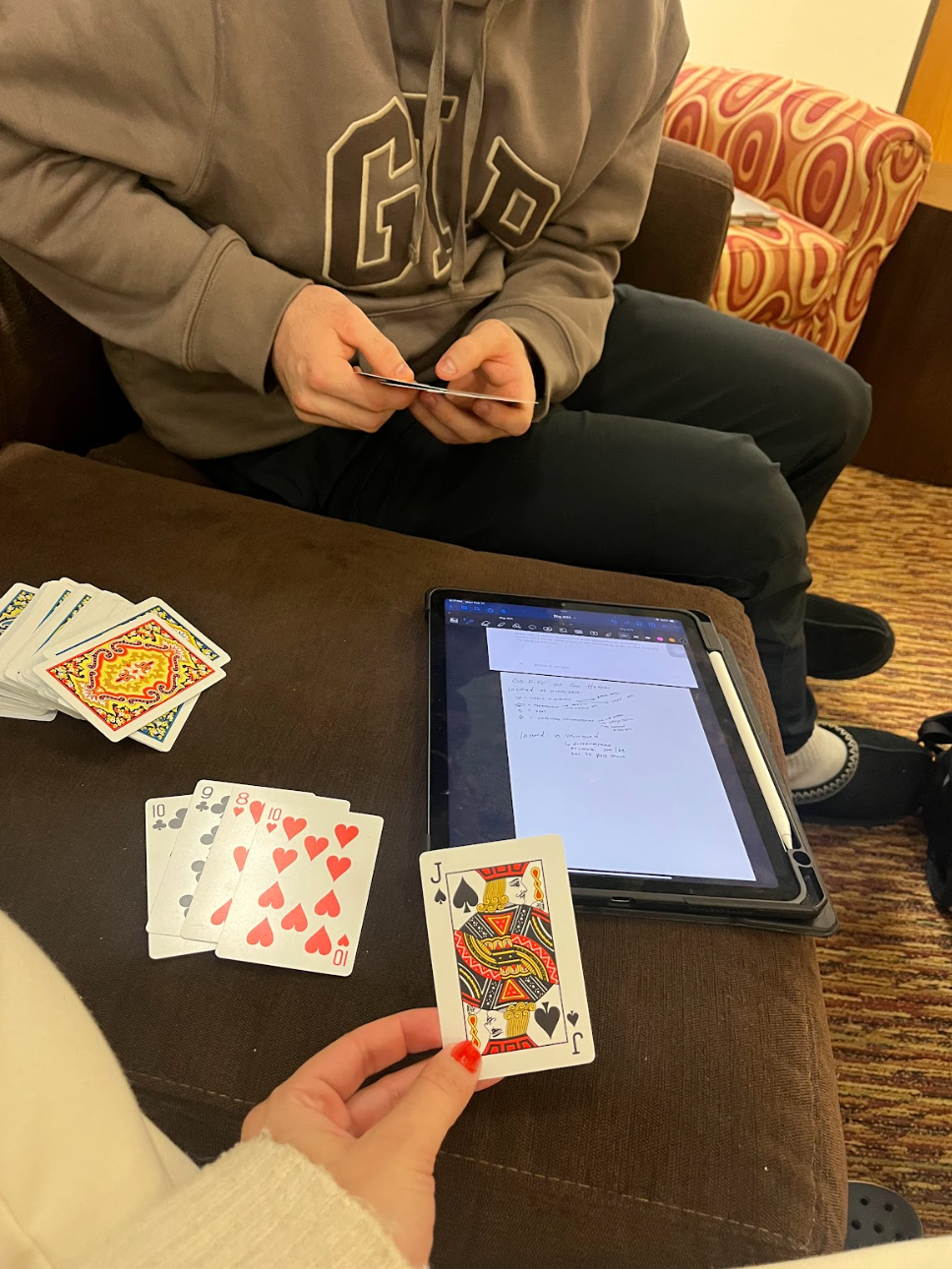
This project reskins the classic card game Go Fish to reflect the structural inequalities of the American healthcare system. By assigning players unequal roles—insured versus uninsured—and altering the game mechanics to reflect disparities in treatment access and financial burden, the work transforms a familiar game into a space for critical reflection. This project uses reskinning as a method of critical play to provoke questions about fairness, privilege, and survival in healthcare systems. Drawing on Mary Flanagan’s theories of subversion and intervention, Go Fix challenges players to confront the uncomfortable reality that, in both the game and real life, success often depends more on systemic advantages than personal skill.
Description + Caption
Image: Brett and Mariana testing out their version of Go Fish.
Video: Brett and Mariana playing Go Fish and finding out it had a major flaw.
“We debated whether the winner should be the player with the most tokens or the player who paired three matching cards first. After considering both options, we ultimately decided that the winner would be the player with the most paired cards. The reasoning behind this choice was that while having money is important, it doesn’t necessarily mean you’re effectively managing your health.”
Notiongram
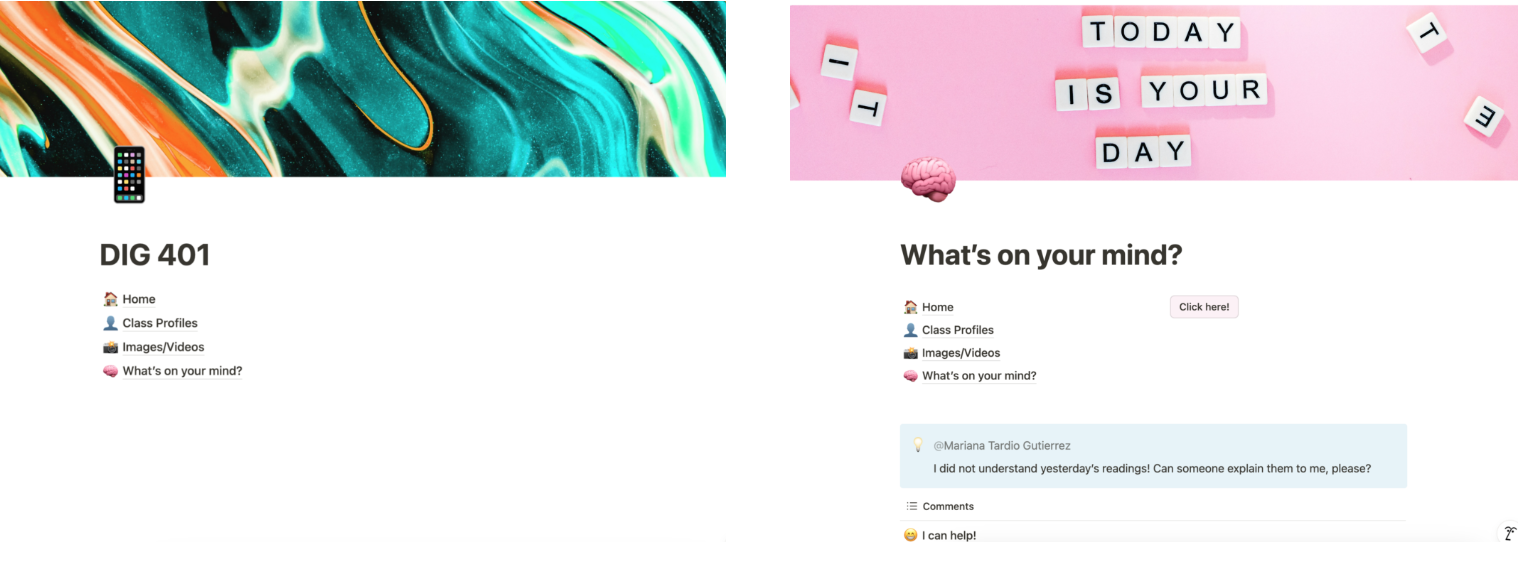
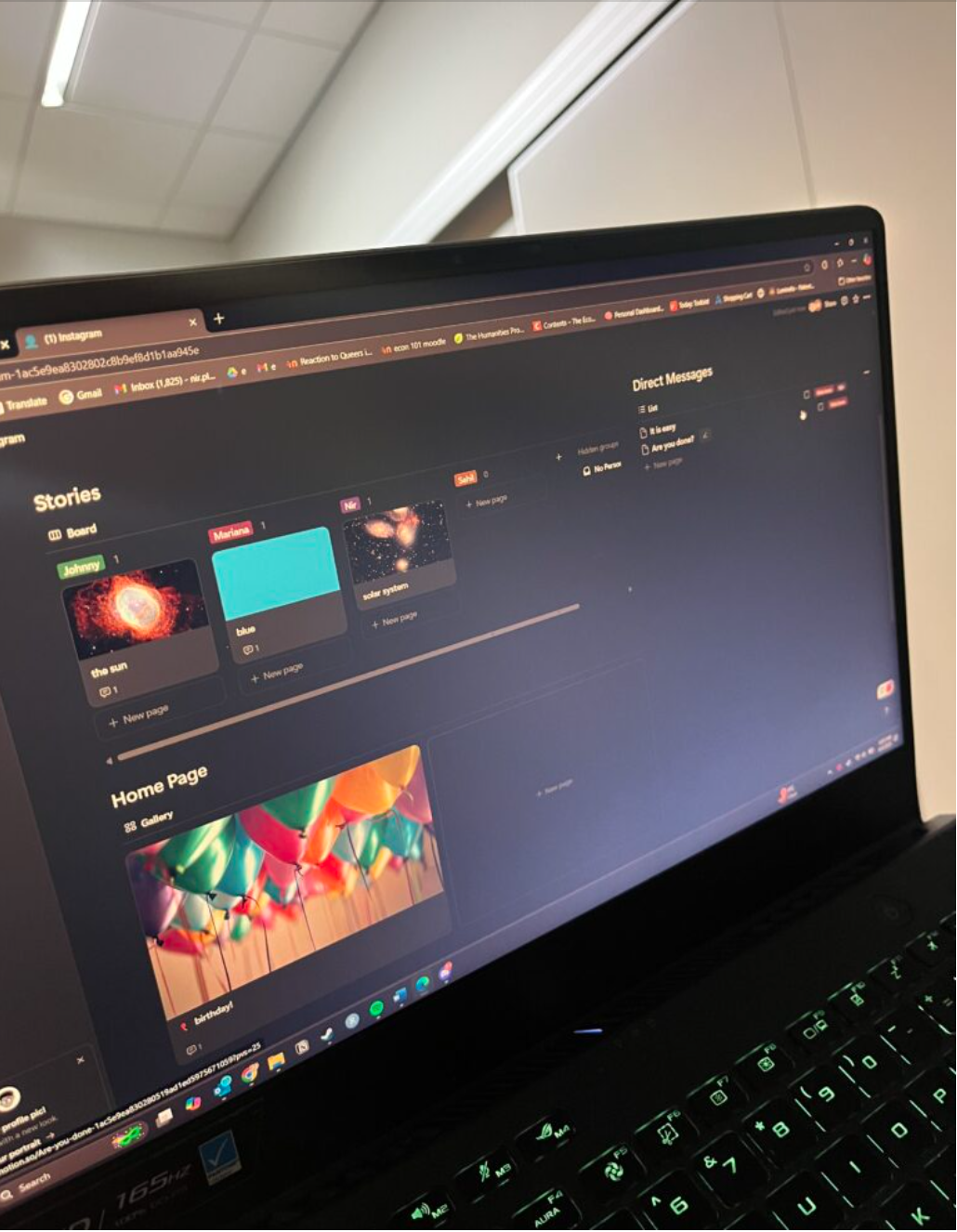
This project reimagines the productivity and organization platform Notion as a speculative version of Instagram. The purpose of this hack was to modify a software tool and use it in a way that challenges its original design and intent. By transforming Notion’s databases into posts, stories, and direct messages, the project playfully subverts its typical use for office work and academic organization. While the result is admittedly a far-from-perfect version of Instagram, the hack successfully explores how platforms can be bent, repurposed, and reimagined to question the boundaries between productivity and social interaction.
“I’m hopeful that I can improve my Notion skills by the end of the semester and apply them to my final Hack, aiming to make it as polished and innovative as possible.”
The Other Side of the Postcard
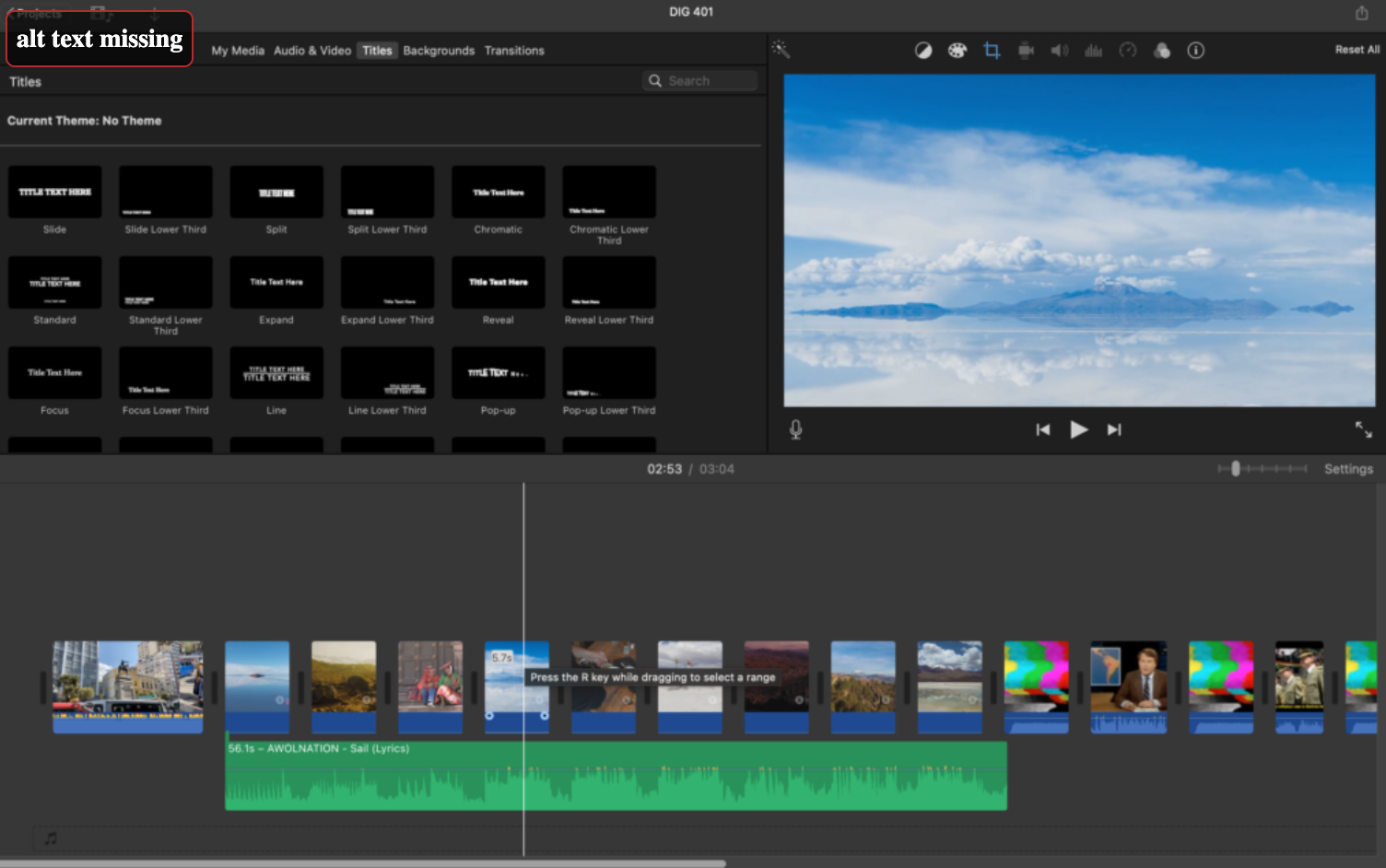
The original purpose of this hack was to remix existing cultural materials and transform them into something new, something that speaks to a larger social or political concern. This project takes that challenge to heart by combining video clips, news footage, headlines, and archival material to shed light on the current crisis in Bolivia. Drawing from both present-day media and footage from nearly 70 years ago, the remix highlights the repetition of political instability, economic collapse, and social unrest. By giving these media sources a second life, the project shifts their original context into a space of resistance and remembrance. Rather than simply remixing for aesthetic or entertainment purposes, this work aims to spread awareness and challenge the silence that often surrounds Bolivia, revealing the other side of the postcard that the world rarely sees.
Description + Caption
Image: Screenshot of iMovie, Remix in the making.
Video: Video Remix about the harsh realities of Bolivia.
“That was the moment I realized I needed to do something I actually cared about—something that wouldn’t feel like just another assignment. Since we’re in the middle of another testing period, I wanted this to feel fun and meaningful, not stressful. I’m really passionate about my country, so I decided to focus on one of Bolivia’s most pressing issues right now.”
Surviving the System
This project is a beta release and conceptual reworking of Hack #2, a critical play intervention originally designed to expose inequalities in the U.S. healthcare system through a modified version of Go Fish. Rather than adding large amounts of new content, this version focuses on changing a few key rules that significantly deepen the game’s impact. Players now take on specific character roles, such as a CEO or a homeless person, each with different starting resources and treatment costs, mirroring the unequal access to healthcare in real life. The dilemmas players face are no longer abstract game mechanics, but reflections of real-world problems—such as losing a job, being denied coverage, or being rushed to the ER for something as common as a bad cough. To make the experience feel more authentic, each major life event appears only once in the deck, emphasizing that in real life, a single unexpected crisis can drastically change someone’s ability to access care.
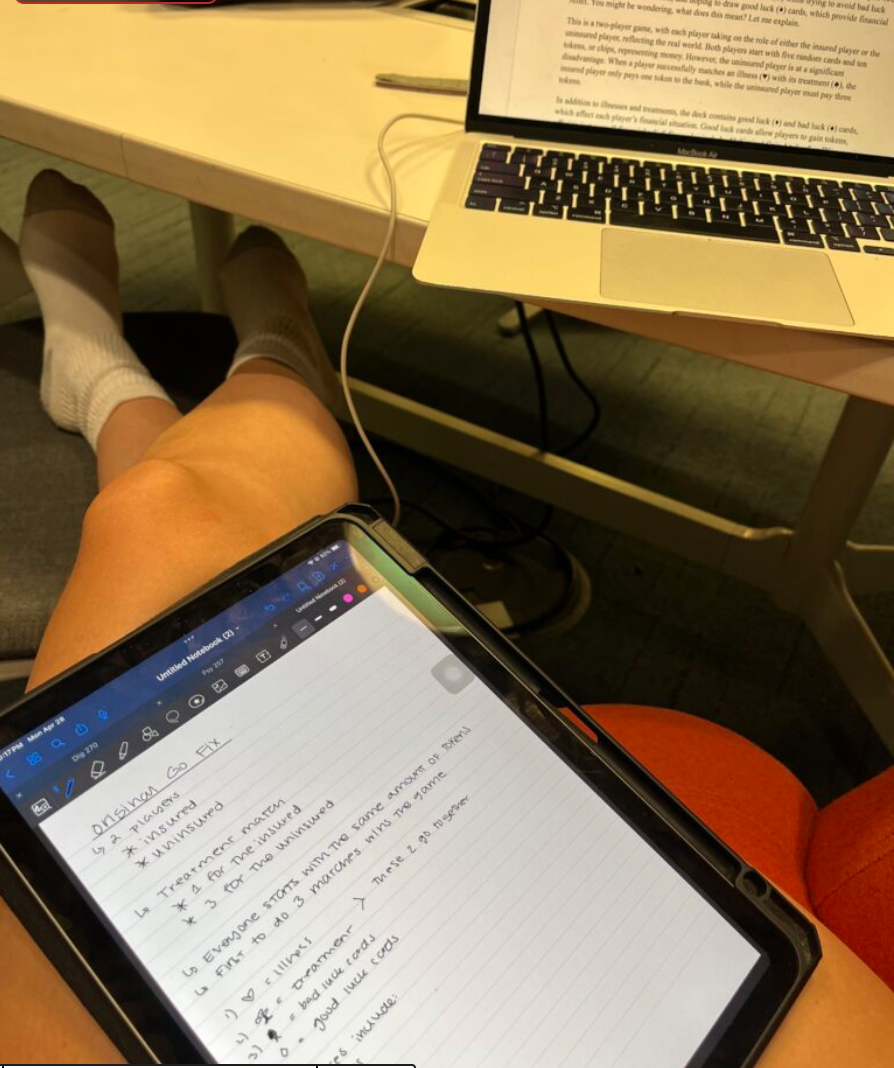
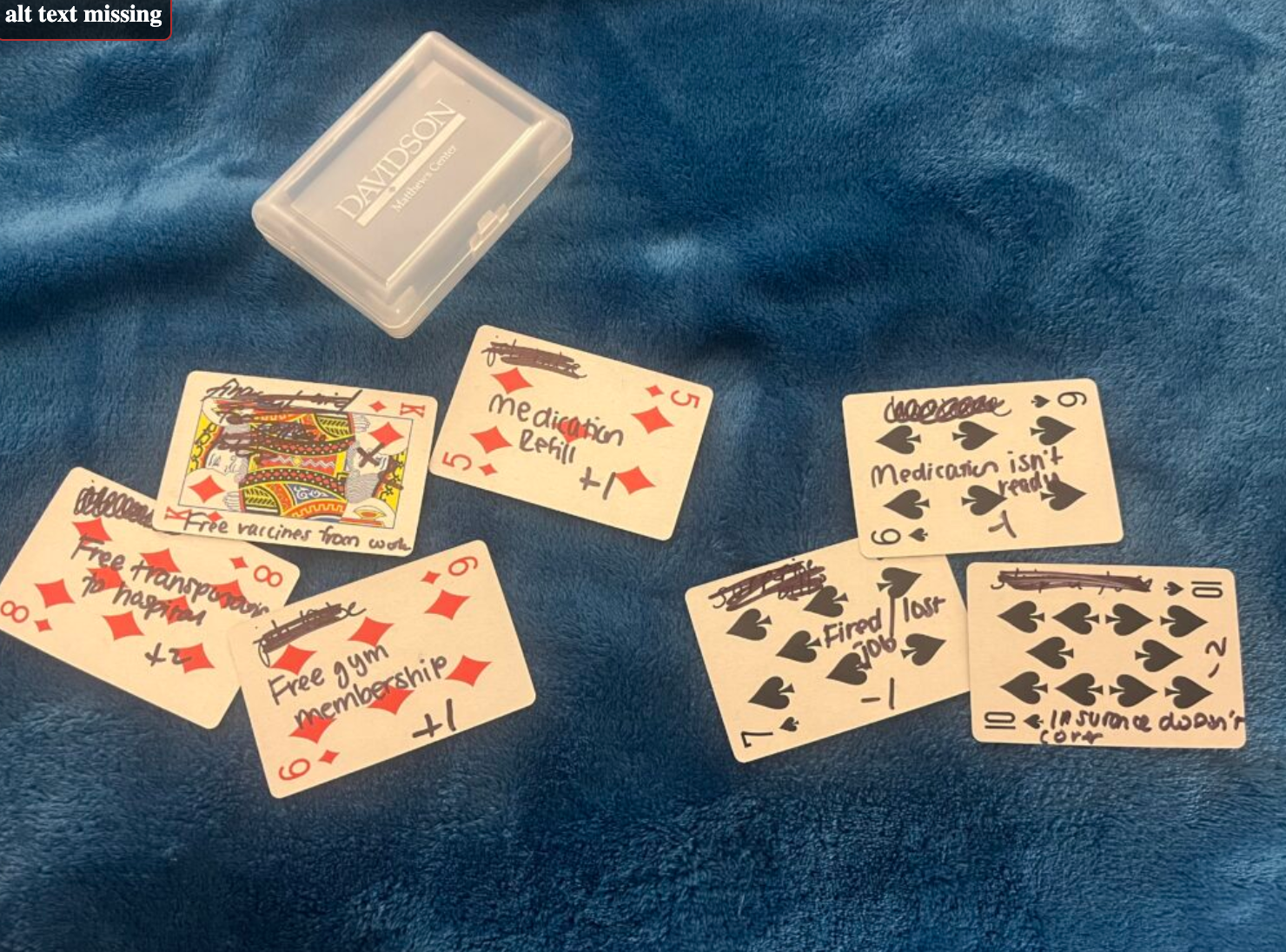
“Another challenge was balancing complexity with clarity: adding new game elements risked confusing players, so I had to simplify rules without diluting the critical message, and I think I was able to embody that by adding more realistic examples!”
